7 Things to Check Before Buying a Camera Strap
A camera strap rarely gets the same attention as a new lens, tripod, or camera body. Yet it is one of the accessories you may rely on every time you pick up your camera.
Think about it. Your camera can hang from the strap for hours while you walk through a city, photograph a wedding, explore a new destination, or wait for the perfect outdoor shot. If the strap feels uncomfortable, moves around too much, or doesn't inspire confidence, you will notice it sooner or later.
That is why choosing a camera strap should involve more than picking a color you like.
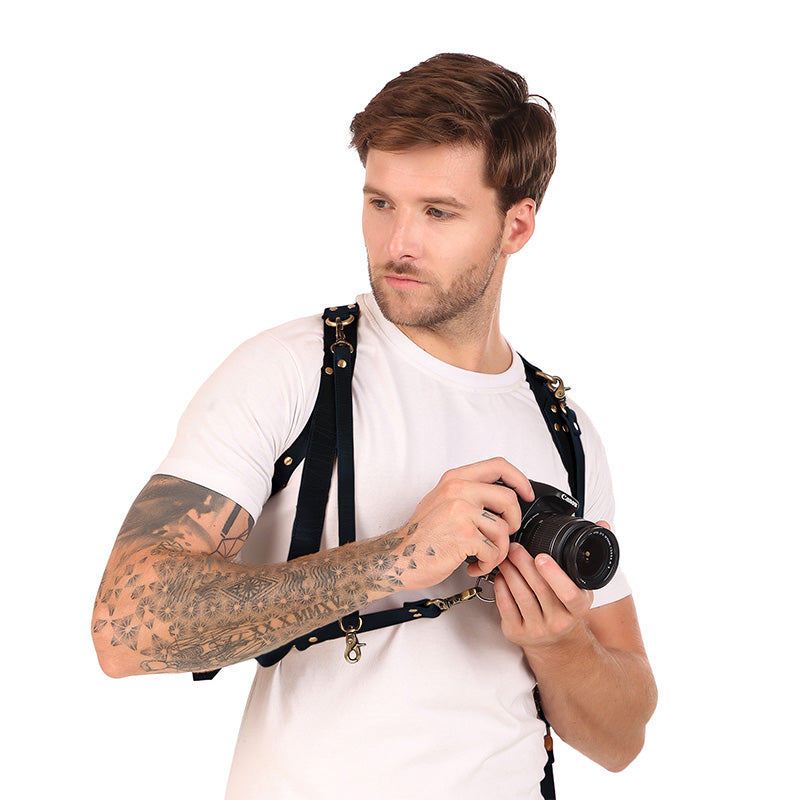
The right strap needs to support your equipment, sit comfortably against your body, remain secure during movement, and suit the way you photograph. Material matters too. For photographers who want a classic appearance and dependable everyday performance, a leather camera strap can be an appealing option.
So, what should you really consider before choosing a camera strap?
In this guide, we'll explore seven important features that can help you choose a strap that works for both your camera and your photography style.
What Is a Camera Strap?
A camera strap is a carrying accessory that attaches to a camera body and allows the photographer to carry the camera without holding it continuously.
Traditional designs are generally worn around the neck or shoulders. Other styles can be worn across the body or used in different carrying positions.
The material can vary considerably. You will find straps made from nylon, cotton, canvas, synthetic materials, and leather. Designs also differ in width, length, padding, connectors, and adjustment systems.
That variety is useful, but it can also make shopping confusing.
Two straps may look similar online while feeling completely different when used for several hours.
Why the Right Strap Matters
Your camera strap has a simple job, but it performs that job repeatedly.
Every time you lift your camera, put it down, walk with it, change lenses, or move between locations, the strap and its attachment points are involved.
A good strap should almost disappear from your attention. You should be able to concentrate on the photograph rather than constantly thinking about your equipment.
That is one of the clearest signs of a good design.
Features to Check Before Buying a Camera Strap
1. Choose a Material That Can Handle Regular Use
Before anything else, take a close look at the strap’s material.
A camera strap should be able to handle repeated movement and the weight of your camera without feeling fragile. Look closely at the material, stitching, edges, and connection points before making your decision.
The material also affects the overall experience.
Some photographers prefer lightweight synthetic straps because they are practical and easy to maintain. Others prefer natural materials because they offer a different appearance and feel.
Why Leather Is a Popular Choice
A camera strap leather design has a distinctive character that appeals to photographers who enjoy classic-looking accessories.
Leather is known for its strength and ability to develop a more individual appearance with use. Instead of always looking exactly the same, it can gradually develop subtle changes in texture and color.
A well-made leather camera strap can also complement both modern and vintage-style photography equipment.
However, don't assume that leather alone guarantees quality. Construction is equally important. Strong stitching, dependable hardware, and appropriate thickness all contribute to the finished product.
2. Make Comfort a Priority
How comfortable is your strap after five minutes?
More importantly, how comfortable is it after five hours?
Many people focus on appearance and overlook this important factor.A strap can look attractive in photographs but become irritating during a long shooting session.
A comfortable camera strap should distribute the weight reasonably well and avoid creating unnecessary pressure around your neck or shoulder.
The strap's width, flexibility, material, and length all contribute to how it feels.
Think About Your Typical Shooting Day
Your photography routine should guide your purchase.
If you normally take a camera out for quick photographs, comfort may not be your biggest concern.
But if you photograph events, travel frequently, shoot weddings, or spend hours walking with your camera, comfort becomes much more important.
A few minutes of discomfort can become a major annoyance when repeated throughout an entire day.
3. Look for an Adjustable Camera Strap
There is no universal strap length that fits every photographer perfectly.
Your height, clothing, camera size, shooting style, and preferred carrying position can all influence the ideal length.
This is why an adjustable camera strap can be a practical choice.
Instead of being stuck with one fixed position, you can modify the strap to suit the situation.
Why Adjustability Makes a Difference
Imagine photographing a crowded street.
You may want your camera sitting relatively close to your body.
Later, you might be working with a different lens and want more freedom of movement. Adjusting the strap can make that transition easier.
An adjustable design is particularly useful for photographers who don't shoot in only one environment.
A quick check of the adjustment system can help you avoid an uncomfortable fit. Ideally, it should be secure while remaining simple enough to modify when needed.
4. Examine the Attachment Hardware
The strap itself isn't the only component carrying your camera.
The connectors and attachment points deserve just as much attention.
A beautiful strap with weak connection hardware isn't a good investment. Your camera depends on those small components every time it hangs from your shoulder.
Look for secure rings, clips, loops, buckles, or other attachment systems. Pay attention to the stitching around the connection points as well.
Small Components Can Have a Big Job
It is easy to ignore hardware because it occupies such a small part of the overall product.
But consider what happens when you walk.
Your camera moves slightly with every step. When you lift the camera, the strap shifts. When you put it back down, the attachment points experience another change in tension.
That is why quality construction matters.
A dependable strap should make you feel confident carrying your equipment rather than encouraging you to check the connections every few minutes.
5. Match the Strap to Your Camera
Not every camera has the same carrying requirements.
A small mirrorless camera and a full-frame DSLR with a large lens can have dramatically different weights.
When choosing a strap, think about your complete setup.
Don't consider only the camera body. Include the lens you normally use and any accessories you regularly keep attached.
Leather Camera Strap for DSLR Cameras
Photographers looking for a leather camera strap for DSLR equipment should pay particular attention to construction and attachment strength.
A DSLR paired with a large lens can put considerably more load on a strap than a lightweight camera body.
The same principle applies to professional mirrorless equipment. Smaller camera bodies don't necessarily mean lightweight setups.
If you regularly carry several accessories, your total equipment weight can add up quickly.
Choose a strap according to the equipment you actually carry rather than the equipment specifications alone.
6. Consider Personalization
Photography is a personal hobby and, for many people, a profession.
So why not make your carrying gear personal too?
A personalized camera strap can include a photographer's name, initials, or another short detail. This can make an otherwise ordinary accessory feel more individual.
It can also make a thoughtful gift for someone who enjoys photography.
Personalized Camera Strap or Custom Camera Strap?
The two terms can overlap, but there is a useful distinction.
A personalized camera strap usually involves adding an individual detail to an existing design.
For example, a photographer might add their initials or name.
A custom camera strap can refer to a wider range of modifications. Depending on the manufacturer, this could include different dimensions, materials, colors, branding, or other design requirements.
For professionals, a custom leather camera strap can combine practical use with a distinctive brand identity.
A personalized leather camera strap can be especially attractive for photographers who want something that feels unique without sacrificing a classic appearance.
7. Don't Ignore the Design
Function comes first, but appearance still matters.
Your camera and accessories can become part of your visual identity, especially if you photograph clients or work professionally.
A simple, well-designed strap can give your setup a more polished appearance.
Leather is particularly popular among photographers who like understated and traditional styling. It can work with modern cameras while also adding a vintage-inspired touch.
The goal isn't to choose the most eye-catching strap available.
Instead, look for one that fits your personal style without compromising comfort or practicality.
Why Choose a Leather Camera Strap?
Leather has remained popular in photography accessories for a simple reason: it combines useful physical properties with a distinctive appearance.
A quality leather strap can feel sturdy while maintaining a relatively simple design.
Durability for Everyday Photography
Photographers can put their accessories through considerable use.
A strap may be carried outdoors, packed into a camera bag, placed on tables, and worn for long periods.
Good leather can handle regular use when properly constructed and maintained.
Of course, the quality of the stitching and hardware still matters. Material and craftsmanship need to work together.
Leather Develops Character
One interesting feature of leather is that it can change naturally over time.
Small marks, variations in texture, and gradual changes in appearance can become part of the material's character.
For some photographers, this makes a leather accessory feel more personal as the years go by.
Instead of looking disposable, it can become something associated with particular shoots, trips, and memories.
A Classic Appearance
Camera technology changes quickly.
A camera purchased today may eventually be replaced by a newer model.
Classic leather accessories have a different appeal because their design isn't dependent on the latest technology.
A well-designed leather strap can continue to look relevant even when you upgrade your camera.
Camera Strap Leather vs. Other Materials
There isn't one material that is perfect for every photographer.
Nylon is popular because it can be lightweight and practical. Canvas offers a rugged appearance. Synthetic materials can provide flexibility and specific performance characteristics.
Leather takes a different approach.
It appeals to photographers who value natural material, classic design, and a more traditional appearance.
Your environment should still influence your decision.
If you frequently photograph in difficult outdoor conditions, consider how much exposure the strap will receive and what maintenance it requires.
The smartest choice is the material that fits your photography habits.
Choosing the Right Leather Camera Strap for Your Camera
Searching for the best leather camera strap can quickly produce dozens of options.
Instead of comparing every product feature at once, narrow your decision down to a few practical questions.
Consider Your Equipment Weight
Start with your camera.
What body do you use?
Which lens is normally attached?
Do you use a large zoom lens?
Do you carry additional equipment?
The answers will help you determine how substantial your strap needs to be.
A lightweight setup may not require the same type of construction as a professional camera with a heavy lens.
Think About Your Shooting Style
Your photography habits matter just as much as your equipment.
A travel photographer may need a strap that remains comfortable during long walks.
A wedding photographer might need something that can be worn throughout an entire event.
A street photographer may prefer quick access and easy movement.
A studio photographer might place greater emphasis on appearance and convenience.
There is no single perfect design for all four photographers.
Pay Attention to Width
Strap width affects how weight feels against your body.
A narrow strap may work well with lightweight equipment, while a wider design can provide a different level of weight distribution.
Don't automatically assume that wider means better.
Think about your camera, how you carry it, and how long you typically wear it.
Common Mistakes When Buying a Camera Strap
Choosing a strap based entirely on appearance is one of the easiest mistakes to make.
Another common mistake is ignoring the connection hardware.
Buyers may carefully compare leather quality, stitching, or color while overlooking the components that actually connect the strap to the camera.
Length is another consideration.
A strap that is too short can restrict movement. One that is too long can allow the camera to swing unnecessarily.
Finally, don't assume a higher price automatically means higher quality.
Look at the complete construction instead.
Material, stitching, hardware, comfort, adjustability, and compatibility should all be considered together.
How to Maintain a Leather Camera Strap
A little care can help keep a leather strap looking good for longer.
Store it somewhere clean and dry when it isn't being used. Avoid unnecessary exposure to excessive moisture and heat.
If the strap becomes dirty, use only cleaning or conditioning methods recommended for its particular type of leather.
Don't experiment with household cleaners simply because they are nearby.
Leather can respond differently to different products, so following the manufacturer's care instructions is the safer approach.
Normal signs of use aren't necessarily something to worry about. Minor changes in texture and appearance can be part of the appeal of genuine leather.
Who Needs a Professional Camera Strap?
The phrase professional camera strap might sound like something intended only for people earning an income from photography.
That's not necessarily true.
Anyone who uses a camera frequently can benefit from a well-designed strap.
Professional photographers may use their equipment for many consecutive hours, making comfort and reliability especially important.
Travel photographers can also benefit from a dependable carrying system because they may spend entire days exploring with their camera.
Even hobby photographers can appreciate a better strap when photographing vacations, family events, or outdoor activities.
The word "professional" should not be the deciding factor.
Focus on the features.
Are Personalized Leather Camera Straps Worth Buying?
If you want an accessory that feels more individual, personalization can be worthwhile.
A personalized strap can turn a standard photography accessory into something that belongs specifically to you.
For example, adding initials can create a subtle personal touch without changing the overall design.
For gifts, personalization can make the product feel considerably more thoughtful.
Professional photographers may also consider subtle branding options when available.
However, personalization should come after the fundamentals.
First make sure the strap is comfortable, secure, appropriately sized, and compatible with your equipment.
Then consider how you want to personalize it.
Camera Strap Buying Guide: Features That Matter
Before purchasing, run through this simple checklist:
- Is the material strong enough for your camera?
- Does the strap feel comfortable for extended use?
- Can you adjust its length?
- Are the attachment points secure?
- Is it suitable for your camera and lens combination?
- Does the width suit your carrying style?
- Do you like the overall appearance?
- Is personalization important to you?
- Can the material be maintained easily?
- Does the construction justify the price?
If most of these points check out, you’re already closer to finding the right camera strap. for bulk orderContact us :
-
WhatsApp: Click to Chat
Final Thoughts
A good camera strap should make carrying your camera easier, not become another problem you have to manage.
Before buying, look beyond color and appearance. Consider comfort, material, adjustability, attachment hardware, camera compatibility, and construction quality.
For photographers who appreciate traditional materials, a leather camera strap can bring together durability, comfort, and timeless style. If you want something more individual, a personalized camera strap or custom leather camera strap can add another layer of character.
The best choice ultimately depends on your camera and the way you use it.
Your camera captures the memories. Your strap helps you carry it safely enough to capture them in the first place.
FAQ
Q1. What features should I look for in a camera strap?
Look for durable construction, comfortable material, secure attachment points, adjustable length, suitable width, and compatibility with your camera. If appearance matters to you, consider the strap's overall design as well.
Q2. Is a leather camera strap suitable for a DSLR?
Yes. A properly constructed leather camera strap can be suitable for a DSLR, provided its attachment system and construction are appropriate for the combined weight of the camera and lens.
Q3. Why is an adjustable camera strap useful?
An adjustable camera strap allows you to change the carrying position according to your body, clothing, camera setup, and shooting situation. This flexibility can be particularly useful during long photography sessions.
Q4. What is a personalized camera strap?
A personalized camera strap is a strap that has been customized with an individual detail, such as a name, initials, or short text. It can be a practical choice for personal use or a photography-related gift.
Q5. How do I choose the best leather camera strap?
Start by considering your camera and lens weight, then evaluate comfort, strap width, length adjustment, attachment hardware, construction, and appearance. A good best leather camera strap should suit your actual photography habits rather than simply look attractive.