If you’ve ever searched for a leather product whether it’s a bag jacket or office accessory you’ve probably seen two terms again and again: Genuine Leather and faux leather. At first both look almost the same. Clean finish similar colors and sometimes even the same design.
But once you start using them the difference becomes obvious.
So the real question is not just what looks better but what actually lasts feels right and gives value for your money.
This guide explains everything in a simple practical way so you can make the right choice without confusion.
What is Genuine Leather?
Genuine Leather is made from real animal hide. It is processed through a method that makes it durable flexible and suitable for long-term use.
One important thing to understand is that real leather is never perfectly uniform. You may see small marks natural grain patterns or slight variations in texture. These are not defects they are signs that the material is real.
Over time genuine leather becomes softer and develops a richer look. Instead of wearing out it improves with use.
Types of Genuine Leather (Important to Know)
Not all genuine leather is the same. There are different grades and understanding them helps you choose better.
Full Grain Leather
This is the highest quality. It uses the top layer of the hide and keeps its natural texture. It is the strongest and lasts the longest.
Top Grain Leather
This is slightly processed to remove imperfections. It still offers good durability and a smooth finish.
Corrected Grain Leather
This type is treated and polished to create a uniform look. It is more affordable but less durable than full grain.
Bonded Leather
This is made from leftover leather pieces combined with adhesives. It is the lowest quality among real leather types.
What is Faux Leather?
Faux leather is a man-made material created to look like real leather. It is usually made using plastic-based materials like polyurethane or PVC.
It is designed to give a similar appearance at a lower cost. Because it is machine-made it often looks more uniform and smooth.
However it does not have the natural strength or aging quality of real leather.
Types of Faux Leather
PU Leather (Polyurethane)
This is softer and more flexible compared to other synthetic options. It is commonly used in bags and furniture.
PVC Leather
This is thicker and more rigid. It is less breathable and often feels more like plastic.
Key Differences Between Genuine Leather and Faux Leather
Material
Genuine Leather comes from natural animal hide. Faux leather is made from synthetic materials.
Durability
Genuine leather can last for many years even decades if maintained properly.
Faux leather has a shorter lifespan. It may start cracking peeling or fading after regular use.
Look and Appearance
Real leather has natural variations. No two pieces look exactly the same.
Faux leather looks more uniform. While it may appear perfect at first it lacks depth.
Texture and Feel
Genuine leather feels soft flexible and slightly uneven.
Faux leather feels smoother and sometimes artificial.
Smell
Genuine leather has a rich natural smell.
Faux leather smells like plastic or chemicals.
Breathability
Genuine leather allows air to pass through making it comfortable for long use.
Faux leather does not breathe which can make it feel sticky over time.
How Genuine Leather is Made
Step 1: Sourcing the Hide
The process begins with animal hide usually cowhide.
Step 2: Cleaning and Preparation
The hide is cleaned to remove dirt and unwanted material.
Step 3: Tanning
Tanning is the most important step. It preserves the leather and makes it durable.
Vegetable Tanning
Uses natural substances and takes more time but gives a rich finish.
Chrome Tanning
Faster and widely used in modern production.
Step 4: Finishing
The leather is dyed polished and prepared for use.
How Faux Leather is Made
Step 1: Fabric Base
A base layer of fabric is used.
Step 2: Plastic Coating
Plastic polymers are applied to create a leather-like surface.
Step 3: Texture and Color
The surface is treated to match the look of real leather.
Advantages of Genuine Leather
Genuine leather is known for its durability. It can handle daily use without losing its structure.
It also improves with time. The more you use it the better it feels.
Another advantage is its premium look. It gives a professional and refined appearance.
Disadvantages of Genuine Leather
The main drawback is the cost. It is more expensive compared to synthetic options.
It also requires basic care like cleaning and conditioning.
Advantages of Faux Leather
Faux leather is affordable and widely available.
It is easy to clean and does not require much maintenance.
It also offers a consistent look which some people prefer.
Disadvantages of Faux Leather
Faux leather does not last long. It may crack or peel after regular use.
It also lacks the comfort and feel of real leather.
Product Comparison in Daily Use
Leather Laptop Bag
A leather laptop bag made from genuine leather is strong enough for daily work. It maintains its structure and looks professional even after years.
Faux leather laptop bags may start showing wear much earlier.
Duffle Bag
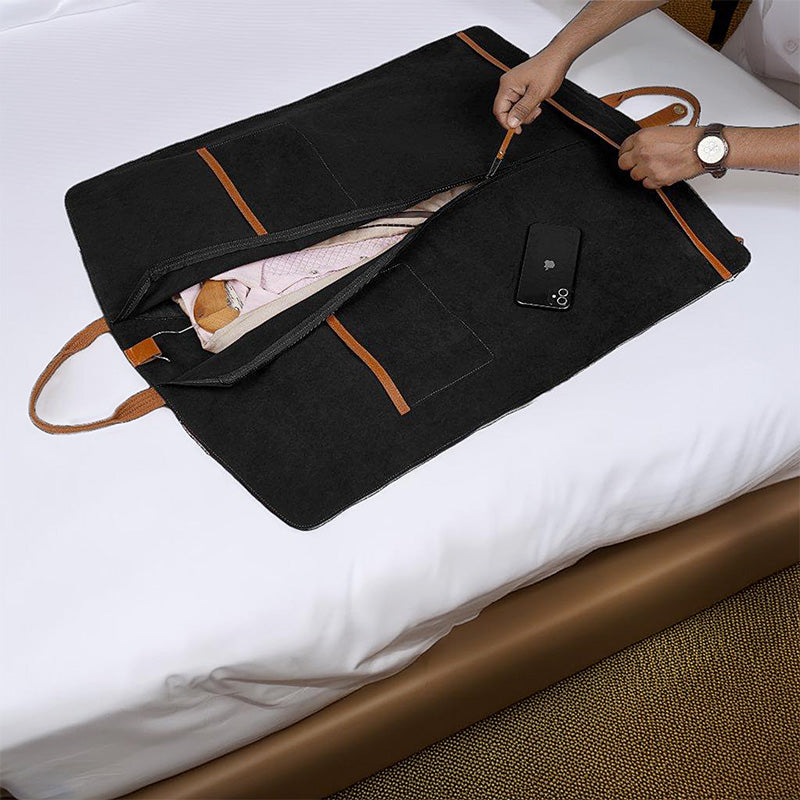
A duffle bag made from genuine leather is ideal for travel. It can handle weight and rough use.
Faux leather duffle bags may lose shape or get damaged over time.
Leather Jacket
A leather jacket made from real leather becomes more comfortable with use. It adjusts to your body.
Faux leather jackets usually remain stiff and may crack.
Leather Desk Mat
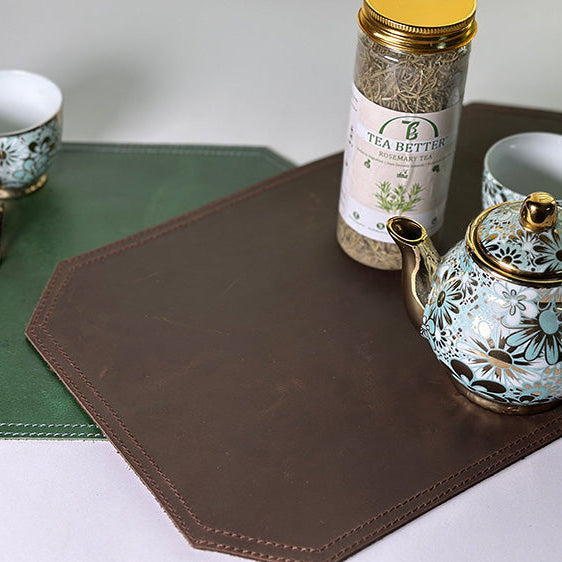
A leather desk mat made from genuine leather adds durability and a clean finish to your workspace.
Faux desk mats may start peeling with continuous use.
How to Identify Genuine Leather
Touch Test
Real leather feels soft and natural.
Smell Test
It has a distinct earthy smell.
Water Test
Real leather absorbs moisture slowly. If you put a drop of water on it you will notice it soaking in rather than sitting on top.
Price Check
Very low prices usually indicate faux leather.
Environmental Impact
Genuine leather lasts longer which reduces the need for replacement.
Faux leather is made from plastic and does not break down easily which increases waste.
Price Comparison
Initial Cost
Faux leather is cheaper at the time of purchase.
Long-Term Value
Genuine leather is more cost-effective in the long run because it lasts longer.
Which One Should You Choose?
If you want durability comfort and long-term use genuine leather is the better option.
If your priority is budget and short-term use faux leather can be considered.
Care and Maintenance
Genuine Leather Care
Keep it dry
Clean it regularly
Use leather conditioner
Faux Leather Care
Wipe with a damp cloth
Avoid heat and sharp objects
Common Myths About Leather
Some people believe faux leather is just as durable as real leather. This is not true. Another belief is that all genuine leather is expensive. In reality it depends on the type and quality.
Conclusion
The difference between Genuine Leather and faux leather is not just about looks it is about durability performance and value.
Genuine leather offers long-term use better comfort and a premium feel. Faux leather may look similar at first but it does not last as long.
If you want something reliable that improves with time genuine leather is the better choice.
FAQs
Q1. What is the main difference between genuine leather and faux leather?
Genuine leather is natural and long-lasting while faux leather is synthetic and less durable.
Q2. Can faux leather look like real leather?
Yes it can look similar but it does not perform the same over time.
Q3. How long does genuine leather last?
With proper care it can last for many years.
Q4. Is faux leather good for daily use?
It can be used but it may not last long with regular use.
Q5. Which is better for office use?
Genuine leather is better for office use because it is durable and looks professional.